Newton Police ask residents for feedback. Please fill out survey here.

News, events, children’s activities in Newton, MA.

Because of national health concerns about lead in drinking water, City departments and I took the unprecedented step to identify public drinking water sources and water systems, to test for lead, and to remediate problems identified in the last three months. Earlier this week, we released the following information to further update our residents about the City’s work in this endeavor. Below you will find comprehensive information on testing and remediation in our water system, schools, parks, and public buildings.
We also announced a Lead Service Line Replacement Program, funded through MWRA no-interest loans, to identify potential lead service lines to residents’ homes and replace them.
Home Service Line Program
MWRA has made $100 million in interest-free loans available to member water communities to fully replace lead service lines. Newton is prepared to take advantage of this program.
There are some lead service lines in Newton that go to individual residences, and these need to be replaced. We are announcing a program to accomplish this work. Service lines were allowed to be made of lead for many years. Newton’s Department of Public Works (DPW) has reviewed records from homes built prior to 1951 and has identified 641 homes for further inspection. If the City’s records indicate a possibility of a lead service line, the homeowners will receive a certified letter. The City has hired an engineering firm to come to these properties and determine the scope of work and cost required to replace the service line. This will be done at no charge to the homeowner who will need to give permission in advance for their line to be inspected.
Next Steps
If a lead service line is identified, homeowners will be able to enroll in the MWRA home service line program. MWRA estimates that the average cost to fully replace a lead service line is typically between $3,000 and $5,000. The City will participate in a cost-sharing program with the homeowner. The details of this program will be finalized with the City Council. For questions about the lead service line replacement program, please email LSRP@newtonma.gov or call 617-796-1640.
While replacing these service lines will eliminate the largest remaining source of lead in water and is our current priority, we are also working on identifying and replacing lead goosenecks, an approximately 18 inch flexible piping connecting mains to service lines in the streets, which were made of lead until roughly 1980. Within the next month, we will be identifying possible locations of these goosenecks, which is a very labor intensive process. Many, but not all, have been replaced in the course of cleaning and lining water pipes. As DPW works to identify and remove lead service lines, they will also be collecting data on where the goosenecks are.
Other sources of lead could be present within homes. Lead solder was not banned until 1986, and some fixtures made of other materials such as copper or brass can contain some lead in the linings, especially in imported fixtures.
Newton Initiates Strategy to Remediate Lead
The State’s Department of Environmental Protection’s (DEP) only testing requirements for municipalities testing drinking water is to test in 15 homes and 2 schools for lead and copper every year. There are no regulations or guidances for testing at public parks, public buildings, or in private or non-profit owned buildings. The City of Newton has followed the protocols to date, but in response to concern nationwide about lead in drinking water, the City began an unprecedented program in April to proactively conduct more advanced testing to determine potential sources of lead in the City’s water system. We have put together a document to summarize Newton’s response to concerns raised around the country about lead in drinking water.
Much of the work is just beginning. Until lead in water became a national headline, very few municipalities were focused on it as an issue. As a result, the records that the City has on lead in the water source are not comprehensive. Moving forward, we are committed to making all testing results public and accessible and will document every location where testing has occurred and where remediation was required.
MWRA Water and Newton’s Water System
Massachusetts Water Resources Authority (MWRA) provides all of Newton’s water from the Quabbin Reservoir and does extensive testing of the water coming into Newton every year, the results of which are mailed to each household once a year. In MWRA’s Drinking Water Test Results for 2015 report, published in June 2016, MWRA states that their water does not contain lead and that it is treated to reduce corrosivity, which helps to prevent leaching of lead from pipes or other materials into the water.
The City’s water main pipes are not made of lead. Water comes from the mains to residences, other buildings, and outdoor fixtures such as bubblers in parks through service lines. These lines run from the mains directly to the building and are not shared by any other structure.
Water Safety and Health
While all of these programs are underway, we remind residents that when lead poisoning occurs, the most likely source is lead paint or lead dust from paint. Other sources include soil, some foods, some porcelain or pottery and some toys. Lead in water can add to overall exposure but is not considered to be a major source of lead poisoning.
Children in MA receive blood tests for lead at the ages of 9-12 months, 2 years, 3 years, and 4 years (if the family is in a high-risk neighborhood). Newton does not have any neighborhoods deemed by the state to be at high-risk. All children are required to have at least one lead test before entering kindergarten.
Young children and pregnant women are most at risk from lead exposure. Infants consuming formula prepared with tap water are at greatest risk. Running the tap until the water is cold, especially after the pipes have not been in use for six hours or more and using the cold water tap for drinking or cooking are good measures to reduce the risk of exposure to lead in water. If residents decide to have their home tap water tested for lead at their own expense, this testing should be performed in a certified laboratory. A list of these labs can be found on the MWRA website.
Testing in Schools
While the state mandates yearly testing of two fixtures in two school buildings, the Mayor, in conjunction with DPW and the Public Buildings Department, decided in mid-April to proactively test two fountains in each of the City’s public schools for lead.
This screening alerted us to an actionable lead level in one drinking fountain at Burr Elementary School; further testing revealed a more significant problem at this school. A remediation plan to bypass the existing plumbing in the school is underway, and the water will be tested for lead well before the start of school in September. None of the other schools tested high during this screening.
We made the decision to go beyond the state program for testing in schools. At the end of June, the City hired Universal Environmental Consultants of Framingham to test all bubblers and sinks in nurses’ offices, staff rooms and kitchens in each of our public school buildings. Samples were taken from 283 fixtures; 17 (6 bubblers and 11 sinks) in 12 schools tested above the actionable level for lead. These fixtures will be replaced and retested.
Next Steps
The City is committed to repeating this level of testing annually for the next two years. The results of this testing will inform what a future testing program looks like. Results of these tests and all other testing in 2016 have been posted online on the drinking water page of the City’s website. Future test results will be added to this spreadsheet.
Water in Public Parks
On May 17th, the City was notified that an external drinking fountain at Family Access of Newton was found to have elevated lead levels. This fountain was turned off immediately. After learning about this, DPW proactively tested 12 public drinking fountains in the City’s parks to determine whether further action needed to be taken on external fountains. One round of testing took place on June 10th and another round on June 28th.
The results from the first round were received on June 23rd and showed that 4 of 9 fountains tested were above the actionable level. At this time, the four fountains were shut off immediately and bottled water was provided at two locations with high tests, Crystal Lake and Gath Pool. On June 29th, based on the high proportion of tested fountains with elevated lead levels from this screening round, the City decided to turn off external fountains at public parks while further remediation options are being discussed.
The second round of results of three additional drinking fountains were received July 7th and showed no additional elevated lead levels.
Next Steps
The City has identified 42 stand-alone fountains in our parks. Of these 42, 27 were in use prior to being shut off; the remaining 15 fountains were inactive, some for years. The City will use the same third party tester as used in the schools, Universal Environmental Consultants, to test all of these fountains within the next week. We will evaluate appropriate remediation plans once we receive these results. The City has received feedback from almost 400 residents through a survey and email and will take all input into consideration as we look to keep everyone safe and meet the expectations of our residents.
The City will repeat testing of the outdoor fountains yearly for the next two years.
Testing in Public Buildings
There are 56 drinking fountains in 26 of our public buildings. On June 16th, Universal Environmental Consultants took samples from these fountains and submitted them for testing. We expect to receive results within the next two weeks. Appropriate remediation plans will be determined once we receive the results.
The City will repeat the testing of all of these drinking fountains yearly for the next two years.
Additional Efforts
The DEP regulations on water testing are minimal. As a City, we are committed to going above and beyond these regulations to ensure that the drinking water in Newton is safe.
We will keep the public informed of all test results as they become available and of remediation plans as they are finalized. For further information, please go to the City’s website, newtonma.gov/drinkingwater. If you have any questions, please email us at:drinkingwater@newtonma.gov.

In order to locate where the most educated Americans are choosing to settle, WalletHub’s analysts compared the 150 largest U.S. metropolitan statistical areas, or MSAs, across nine key metrics. Our data set ranges from the percentage of adults aged 25 and older with at least a bachelor’s degree to the educational attainment gap between women and men.
Educational Characteristics of Boston-Cambridge-Newton (1=Most Educated; 75=Avg.)
For the full report, please go here.
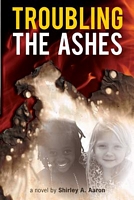
The #BlackLivesMatter movement may be making headlines across the country, but African Americans aren’t the only minority group experience prejudice. A new Pew Research poll reveals that more than half of Latinos living in the United States have experienced abuse, discrimination, and unfair treatment. According to author Shirley Aaron, the hate and injustice in today’s world is strikingly similar to her days as a Southern teacher during desegregation.
“Hatred and racism didn’t die in the 1960s. No more than it died any other place in America,” says Aaron. “Today, it just wears a different mask.”
Aaron discusses in her new book, Troubling the Ashes:

No pre-registration required. Transportation for Newton seniors available.
Bring a picnic and pick up a cone of Wally’s Wicked Good Ice Cream for dessert.
Part of the Newton Parks and Recreation summer series. At the Auburndale Cove, West Pine Street, Auburndale.

My name is Cory Thomas, founder of The Traveling Barbers “Hair Professionals For Persons With Disabilities”. We are a vast team of professional barbers and stylists who covers the entire U.S by going to the residences of those living with disabilities who may have difficulties with transportation, and provide them with in-home hair care services they are unable to seek out on their own in a barbershop or salon.
www.thetravelingbarbers.com
We simply wanted to let your organization know that our services are now available to all people of special-needs in the state of Massachusetts and that if any of the disabled members of your organization could use our in-home hair care services we would be greatly appreciative of your referrals. Thx.
FOR ANY QUESTIONS OR REQUESTS FOR APPOINTMENTS CALL OR EMAIL: (609) 775-7251…travelingbarbers@

MIT Gilbert & Sullivan Players are celebrating and making history with a genderblind production of 1776, the Tony Award-winning musical by Sherman Edwards and Peter Stone.
The show is directed by Emma Brown, with vocal direction by Johnnie Han and Tom Ostrowski, and Julie Henion and Liza Zahray at the baton. Edwards’ classic musical makes history come alive, giving us a humanizing look at our founding fathers that is at turns funny, terrifying, endearing, and always honest.
The year is 1776, and the legendary Continental Congress is in session in Philadelphia to decide what to do about the ongoing war with England. At the center of the action is John Adams of Massachusetts, a fiery but well-intentioned man who knows that the only way forward is for the colonies to declare independence, but convincing a skeptical congress seems like an uphill battle. When a proposal for independence comes from a more congenial colony, John sees the chance he’s been waiting for. The rest, as they say, is history.
What makes this production unique is director Emma Brown’s decision to cast it genderblind. Witness spirited performers of all genders and sexes bring these long beloved historical figures to stunning life.
Prominent among them are three talented artists from Arlington: Anna-Constantia Richardson as John Adams, Michael DeFillippi as Benjamin Franklin, and Sara Haugland as Thomas Jefferson.
1776 will be performed in Kresge Little Theatre, located at 43 Massachusetts Avenue on the MIT campus in Cambridge, MA.
Dates are August 12th, 13th, and 14th.
All performances are at 8:00 PM.
Tickets can be reserved on our website,gsp.mit.edu, or by e-mailing gsp-tickets@mit.edu.

The Meeting House focuses on the African presence in colonial and post-revolutionary Concord and seeks to make the connection between our difficult past, slavery and segregation, and the fact that we are still today unable to create the just society that our revolution promised.
Beginning in August and running through October, The Meeting House will feature a series of public programs through which visitors may gain a deeper understanding of the background and challenges of African Americans in the region and explore and discuss many of the same issues faced today. When not in use for public programs, the pavilion welcomes Old Manse and the Minuteman Historical Park visitors to engage in contemplation and discussion through interpretive information built into the structure.
Another aspect of the project takes place inside the Old Manse itself. This interior exhibition, curated by Durant, is comprised of replicated post-colonial African artifacts as well as a reinterpretation of existing pieces through the lens of the enslaved people who may have impacted them. Items displayed include a manuscript written by Phillis Wheatley, the first published African American female poet; a warning poster from April 1851 directed at freed slaves; a slave ship plan view from Boston’s Museum of African American History; a pamphlet from the Concord Anti-Slavery Society, and more.
Programming will begin in August and includes workshops, readings, and discussions focused on African American writing, philosophy, music, food, and spirituality. Four core events—or “Lyceums”—in the spirit of 19th century gatherings, will enable dialogue about the issues in question. For a complete list of upcoming programs, please visit thetrustees.org/art.
Saturday, October 15 2PM-4PM
A New Framework for Dialogue: While explicitly racist policies and structures have been dismantled, systemic forms of racism and inequality remain. A panel discussion will be moderated by Tim Phillips and Beyond Conflict and will include artist Sam Durant. Panelists include Ebrahim Rasool, former South African Ambassador to the US, Penny Outlaw of the Royall House & Slave Quarters, and Adam Foss, Assistant District Attorney.
Sunday, October 16 2PM-4PM
The Artist Listens: In the spirit of a town hall meeting, the public is invited to share their thoughts about The Meeting House. The artist and curator will be present for the discussion to listen and respond. This will be moderated by Mary Jane Jacob.
ABOUT ART AND THE LANDSCAPE
As part of its yearlong 125th Anniversary celebration, The Trustees, Massachusetts’ largest conservation and preservation nonprofit, is featuring a multi-year, site-specific outdoor art initiative entitled Art and The Landscape. With the help of independent curator Pedro Alonzo, the new initiative is designed to present compelling contemporary art in a public landscape to create inspirational and meditative experiences for visitors at some of its most iconic and historic properties. The Meeting House, by renowned multimedia artist Sam Durant, is on display at The Old Manse in Concord, a National Historic Landmark, through October 2016. A site-specific installation, A New End, by Jeppe Hein, will be on view at World’s End in Hingham starting in August 2016.
ABOUT THE TRUSTEES: Many of The Trustees’ statewide scenic, cultural, and historic properties have served as a dynamic inspiration for artists, thought leaders, and innovators throughout the organization’s 125-year history. Today, Trustees historic homesteads and gardens, farms, woodlands, beaches and trails are popular recreational and cultural destinations visited by more than 1.6 million people in 2015. The Trustees’ Art and The Landscape initiative is also part of a year-long celebration of The Trustees 125th Anniversarywhich will create new opportunities for visitors to explore and experience the organization’s landscapes and landmarks, some of the most important and iconic in Massachusetts.
If the installation inspires questions or comments for the artist, you can leave a message for Sam Durant via the phone numbers posted around the property: 857-244-0651.

Bringing the Colors of the Maya to Jamaica Plain:
Indigenous Arts and Music Festival features Maya paintings from Guatemala
On Saturday, Aug. 6 and Sunday, Aug. 7 from 10am-5pm, Indigenous artists and musicians from across the globe will come together for Cultural Survival’s free admission Native arts and cultures Bazaar. Greater Boston is invited to join them to enjoy Indigenous music from Mali, Ecuador, and the US northeast, as well as art whose purchase supports the livelihoods of Indigenous communities around the globe. One attendee has called it “the best place to get unique global gifts while supporting Indigenous cultures!”
Among the artists to be featured at the Bazaar will be representatives of the Guatemala Art and Culture Connection, whose vision is to utilize arts and crafts as a means of producing intercultural connections across borders as well as to support local initiatives in the communities that they work with.
The organization, founded by Imre and Lorna Kepes of Western MA, specializes in original, authentic art from Mayan villages located around the UNESCO World Heritage Site, Lake Atitlán, in southern Guatemala. In this picturesque setting, the artists depict scenes of harvest, markets, ceremonies, and other facets integral to the life and culture of the Tz’utujil and Kaqchikel Maya people. The artists are known for their unique style; some of them have had work exhibited in the Smithsonian and in other exhibitions abroad.
With the sale of these colorful paintings and intricate beadwork, the organization donates a portion of the proceeds to help fundAyudame a Pintar Mi Futuro (Help Me Paint My Future), an afterschool youth art program that supports children from families suffering from poverty and other problems in the community of San Pedro La Laguna on the lake’s southern shore.
Also at the Bazaar, attendees will enjoy live music, as well as crafts from over a dozen Indigenous cultures worldwide.
Cultural Survival is a Cambridge-based NGO that advocates for Indigenous Peoples’ rights and supports Indigenous communities’ self-determination, cultures, and political resilience since 1972. Since 1982 the Bazaars have provided a market for thousands of artists and cooperatives spanning six continents and over sixty countries. Each year the Bazaars generate roughly half a million dollars for Indigenous artists, performers, and projects benefitting Indigenous communities around the world.Providing a unique space especially for Indigenous artists and their supporters, the Bazaars take attendees on “a trip around the world’s bazaars,” promoting both artistic and socio-political education.
Event information:
Loring-Greenough House
August 6-7, 2016
12 South Street
Jamaica Plain, MA 02130
10am – 5pm
Live music
Free admission // Rain or shine
Free parking
15 min from Green St. stop on the Orange line; Buses 32, 35, 37, 38, 39, 41 stop right outside
Food TBA
Musical guests: Bear Fox, Sidy Maiga and Afrimanding, Yarina, and others TBA